Pulcinella

Pulcinella, the iconic trickster of Italian commedia dell'arte. His comic adventures and disguises inspired the 1920 Ballets Russes ballet Pulcinella, set to Igor Stravinsky's celebrated score. Image 1892.
QUICK F A C T S
- ✦ Pulcinella premiered in 1920 for Serge Diaghilev's Ballets Russes, with music by Igor Stravinsky, choreography by Léonide Massine, and designs by Pablo Picasso.
✦ The ballet is based on Pulcinella, a mischievous character from the Italian commedia dell'arte tradition, a form of popular theater that influenced European comedy for centuries.
✦ Stravinsky created the score by reworking music then believed to be by Giovanni Battista Pergolesi, blending eighteenth-century melodies with modern harmonies and rhythms.
✦ Pulcinella is widely considered the beginning of Stravinsky's Neoclassical period, a style that combined ideas from the past with a fresh twentieth-century perspective.
✦ Picasso designed the ballet's sets and costumes, making Pulcinella another famous collaboration between dance, music, and modern visual art.
✦ More than a century after its premiere, Pulcinella remains one of the most frequently revived Ballets Russes works and a landmark in the history of modern ballet.

Performers in a 2021 production of Pulcinella at Montevideo's Solís Theatre. The ballet follows the clever trickster Pulcinella through a series of disguises, misunderstandings, and romantic adventures. commons.
S U M M A R Y
Pulcinella is a one-act ballet created in 1920 by Léonide Massine for the Ballets Russes. The ballet was commissioned by Sergei Diaghilev and features a score by Igor Stravinsky based on music then believed to be by Giovanni Battista Pergolesi. Inspired by the lively traditions of Italian commedia dell'arte, the story follows the mischievous Pulcinella, a clever trickster whose romantic adventures and disguises create confusion, jealousy, and comedy before everything is happily resolved.
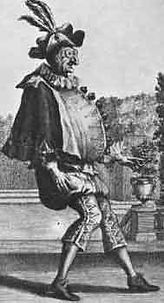
Nearly 300 years before Stravinsky transformed Pulcinella into a ballet hero, Pierre Deschars performed as the famous trickster at the French royal court in 1703!

Performers in a 2021 staging of Pulcinella at Montevideo's Solís Theatre. First created in 1920, the ballet remains one of the most enduring collaborations between choreographer Léonide Massine, composer Igor Stravinsky, and artist Pablo Picasso. commons.
The production brought together several of the twentieth century's most influential artists. Massine created the choreography, Stravinsky reimagined eighteenth-century music in a fresh modern style, and the costumes and sets were designed by Pablo Picasso. Their collaboration became one of the defining works of the Ballets Russes and helped launch Stravinsky's neoclassical period, blending old artistic traditions with modern creativity.
Today, Pulcinella is celebrated as a landmark of twentieth-century ballet and music. Unlike the grand fairy tales and romantic tragedies of the nineteenth century, it delights audiences with humor, wit, and theatrical charm. More than a century after its premiere, the ballet remains a vibrant example of how artists can reinvent the past while creating something entirely new.

Performers in Pulcinella at the Solís Theatre, Montevideo (2021). commons.
E N C O R E
✦ On Today's Stage
Pulcinella remains a favorite of companies seeking a blend of classical technique, theatrical comedy, and musical sophistication. The ballet is regularly revived by major companies and is often paired with other twentieth-century works.
✦ Iconic Interpreters
The title role has been danced by generations of charismatic performers since its creation by Léonide Massine. The ballet's enduring popularity also reflects the influence of its remarkable creative team: Igor Stravinsky, Pablo Picasso, and Serge Diaghilev.
✦ Legacy
Pulcinella marked a turning point in ballet and music history. By reimagining eighteenth-century melodies through a modern lens, Stravinsky launched his influential neoclassical period, while the ballet itself demonstrated how centuries-old theatrical traditions could be transformed into something fresh, witty, and timeless.