Gaîté Parisienne

George Zoritch as the Baron in Gaîté Parisienne, one of the ballet's most memorable comic characters, 1940. Photo: Carl Van Vechten, commons.
QUICK F A C T S
- ✦ Gaîté Parisienne premiered in 1938 and was choreographed by Léonide Massine for the Ballet Russe de Monte Carlo.
✦ The ballet's score was arranged by Manuel Rosenthal using melodies from the operettas of Jacques Offenbach.
✦ Rather than telling a single story, the ballet presents a lively portrait of Parisian nightlife filled with flirtation, comedy, and celebration.
✦ The role of the Baron became one of the ballet's most famous comic parts and was performed by celebrated dancers including George Zoritch.
✦ Gaîté Parisienne remains one of the best-known comic ballets of the twentieth century and helped bring Offenbach's music to new generations of audiences.

Alexandrine Simon, a performer at Offenbach's Théâtre des Bouffes-Parisiens, photographed during the era that inspired Gaîté Parisienne.
S U M M A R Y
Gaîté Parisienne is a joyful comic ballet that captures the excitement of Parisian nightlife. Set in a fashionable café, it follows a colorful cast of visitors, soldiers, dancers, and aristocrats as they flirt, compete for attention, and create comic misunderstandings. Rather than telling a dramatic fairy-tale story, the ballet focuses on atmosphere, charm, and celebration.

Jacques Offenbach composed the melodies that were later arranged into the score for Gaîté Parisienne.
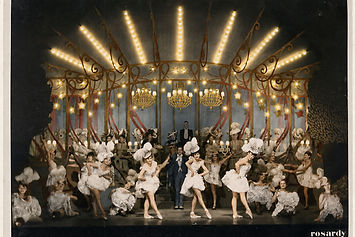
The glittering theaters and lively entertainments of Belle Époque Paris helped inspire the festive world of Gaîté Parisienne.
The ballet premiered in 1938 and was choreographed by Léonide Massine for the Ballet Russe de Monte Carlo. Its score was arranged by Manuel Rosenthal using melodies by the French composer Jacques Offenbach. Together, they transformed popular operetta music into a lively ballet that blends classical dance with theatrical comedy.
Today, Gaîté Parisienne is remembered as one of the most successful comic ballets of the twentieth century. Its colorful characters, infectious music, and playful spirit made it a favorite with audiences around the world. Though performed less often than in its heyday, it remains a sparkling tribute to the humor, elegance, and festive energy of historic Paris.

Spectacular fairy-tale productions at Paris's Théâtre de la Gaîté helped define the city's vibrant entertainment culture during the Belle Époque.
E N C O R E
✦ On Today's Stage
While less common than during its mid-twentieth-century heyday, Gaîté Parisienne continues to appear in revivals by major ballet companies and remains a beloved example of comic ballet theater.
✦ Iconic Interpreters
Léonide Massine originated the ballet and its comic style, while George Zoritch became closely associated with the role of the Baron.
✦ Legacy
Combining ballet, operetta, and theatrical comedy, Gaîté Parisienne helped preserve the music of Jacques Offenbach and remains one of ballet's most enduring celebrations of Parisian charm.